
How Arrest Warrants Work in Dodge County
An arrest warrant is court process that puts a person in custody. It rests on probable cause, meaning a lawful factual basis to think an offense happened and that the named person did it. The charge itself still moves through the courts. Georgia's official summary of O.C.G.A. §17-4-40 explains who can issue one. A superior, state, city, magistrate, or municipal officer with magistrate powers may sign an arrest warrant based on personal knowledge or information given under oath. In Dodge County, Superior Court handles felony trials. Magistrate Court is a key route for warrants and preliminary matters. Eastman's Municipal Court holds only the limited city authority its charter allows.
Dodge County Arrest Warrant Review
Here is how the review works in Dodge County. A complaint or affidavit lays out sworn facts for a judge or magistrate to examine. The authorized officer then decides whether those facts meet the probable-cause standard, and some procedures add notice, a hearing, and evidence before that call is made. Once issued, the warrant tells law enforcement to arrest the named person. Only the issuing court can later confirm or change its status.
- Affidavit
- A sworn statement of facts supporting the request.
- Probable cause
- The legal threshold for issuing arrest process.
- Issuing court
- The court whose officer authorized the warrant and controls its record.
- Return
- The record of service or another outcome of the process.
Do not count on reading the affidavit. Courts may seal or withhold one while an investigation is active. The Dodge County warrant file itself has to be confirmed with the office that keeps it.
Arrest Warrants: What They Contain
No public result screen in Dodge County follows a fixed warrant layout. A court record may still hold the items below. Sealing and redaction apply, and so does whatever document the office actually keeps.
| Warrant or case number | The court identifier; no safe sample Dodge format was found. |
|---|---|
| Named subject | Identity information, some of which may be protected or redacted. |
| Charge or statute | The alleged offense and legal basis. |
| Issuing judge and court | The authority that approved the process. |
| Probable-cause material | Sworn facts when the affidavit is public. |
| Bond and status | Any set terms plus active, served, recalled, or other status. |
| Service return | The serving agency's recorded action. |
A blank field does not mean the fact is absent. Ask the Clerk or the issuing court for the specific warrant, affidavit, return, docket entry, or order.
Dodge County Arrest Warrant Status Route
Call the Dodge County Sheriff at 478-559-1130 with a full legal name and date of birth. Ask which court issued the warrant, whether the office can confirm its current status, and what bond or surrender steps are allowed. The Sheriff's Law Enforcement Center sits at 85 Industrial Boulevard, Eastman, GA 31023. The office runs no dedicated warrant desk and posts no public online list.
Call first: Georgia's official guidance warns that an in-person warrant inquiry may lead to immediate custody when an active warrant is found.
A call helps you plan, nothing more. It does not force disclosure or recall a warrant. Take the record to the issuing court: for Superior Court, the Clerk is at 478-374-2871, and Magistrate Court is at 478-374-7243.
How Warrants Get Served in Dodge County
The Dodge County Sheriff is the confirmed contact for county service and status. Other authorized officers may execute process within their own legal authority. Eastman's charter says a warrant may be served by an officer the charter or state law empowers. No office maps every city warrant to the Sheriff, a city officer, or a separate unit. Booking and a court or bond decision follow custody. The Sheriff's detention material describes searches, restraints, identity and medical questions, property handling, fingerprints in some cases, and a chance to make a phone call. The jail page says a person may post bond and wait for a hearing outside custody, or stay detained until the court acts. It lists no bond schedule and promises no release time.
Dodge County Arrest Warrant Access Limits
Each Dodge County tool answers a different question, so match the tool to the job. The Clerk's calendars show settings, and Georgia Courts eAccess shows whatever its covered courts release, but neither is a full warrant check. A Sheriff status inquiry stands apart, tracking a separate operational record rather than the court file itself. The state eAccess hub spells out that provider handoff plainly.
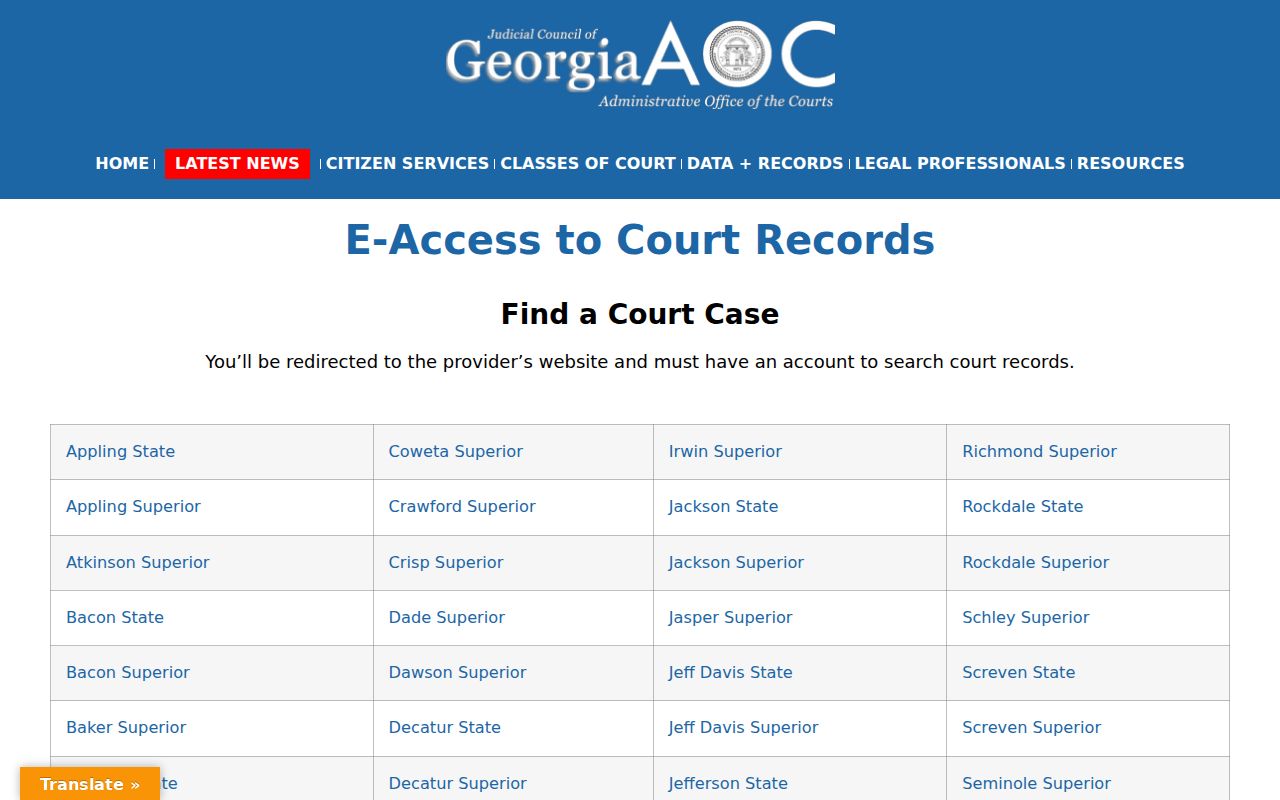
Even a clean search proves little. A no-hit result in a Dodge County warrant lookup can mean a sealed record, a fresh filing, a provider gap, or simply the wrong court. The hub supports case research; it does not promise a Dodge County arrest-warrant result. Only direct confirmation from the issuing court settles it.
Arrest Warrants, Summonses, and Bench Warrants
An arrest warrant, a summons, and a bench warrant do different jobs in Dodge County, and each calls for its own response. Ignore a summons, though, and a bench warrant can follow.
| Feature | Arrest Warrant | Summons | Bench Warrant |
|---|---|---|---|
| What it directs | Arrest and custody | Appearance on a set date | Custody for a missed duty |
| Usual basis | Probable cause of an offense | Notice to answer a matter | Failure to appear or comply |
| Issuer | Authorized judicial officer | Court or authorized officer | Judge in the pending case |
| Response | Counsel, surrender, bond, court | Appear as directed | Recall, appearance, compliance, bond |
Missed a court date in Dodge County? The Dodge County bench warrant lookup covers the issuing court and the recall route in more depth.
Dodge County Arrest Warrant Records Requests
An Open Records request fits when you want an existing Dodge County document that can be disclosed. Sheriff-held service records go to the Sheriff at tgraham@dodgecosheriff.com, while Superior Court warrants, affidavits, returns, and docket entries go to Rhett Walker's Clerk office. Narrow each request by date, court, document type, and case or warrant number. The Georgia Open Records Act does not force an office to build an all-active-warrants report, and active-investigation material, sealed affidavits, juvenile files, and protected data may be withheld or redacted. The Attorney General's Open Government FAQ notes that agencies generally respond within three business days or state the expected timing, cost, and exemption. Ask the custodian to release any separable public portion and to give the basis for each withheld part.
Dodge County Arrest Warrant Bond Limits
Bond is about getting out while a case moves forward. The Dodge Sheriff jail page puts it simply: a person may get the chance to post bond and be released pending a hearing, or may stay in custody until the court acts. Beyond that, Dodge County publishes no current bond schedule. There is no official list of accepted payments, no bond-window hours, and no stated no-bond categories. Eastman's Municipal Court charter tells a different story for city matters. It permits bail or recognizance and gives a city example built on cash or property, but that charter does not set the terms of a Dodge County arrest warrant. So ask before you pay. Which court set the bond? What type of bond is allowed, and where is it accepted? Know what documents to bring and what next court date will be issued, and use only the current authorized route.
Handling an Arrest Warrant in Your Name
Confirm the warrant, the court, and the status before you travel anywhere. A defense attorney can call the issuing court, ask whether a recall or quash is legally available, and arrange a planned surrender if custody is required. Dodge County runs no walk-through program, no surrender window, no amnesty event, and offers no warrant-recall form. Promise yourself nothing beyond the court's own answer.
Act with care: A live arrest warrant can lead to custody during any law-enforcement contact, so seek legal advice before surrender.
- Call the Sheriff and identify the issuing court.
- Ask counsel about surrender, recall, quash, and bond options.
- Plan for booking and court action if surrender is required.
- Post bond only through the route confirmed by the court or Sheriff.
- Keep a court release, recall order, bond receipt, and next setting notice.